As global travelers become more conscious of sustainability and environmental impact, eco-tourism is reshaping how people choose their destinations. Ghana is increasingly standing out as one of Africa’s most promising eco-tourism destinations, offering nature-based experiences that balance conservation, culture, and community development.
Ghana’s diverse landscapes provide a strong foundation for eco-tourism. From lush rainforests and wildlife reserves to mountains, waterfalls, and coastal ecosystems, the country offers travelers opportunities to connect with nature while supporting local livelihoods. These experiences are designed not only to protect the environment but also to empower the communities that depend on it.
One of Ghana’s most well-known eco-tourism attractions is its protected national parks and conservation areas. Wildlife reserves such as Mole National Park allow visitors to experience elephants, antelopes, and birdlife in their natural habitat while contributing directly to conservation efforts. In southern Ghana, rainforest reserves and canopy walkways offer immersive encounters with biodiversity and forest ecosystems.
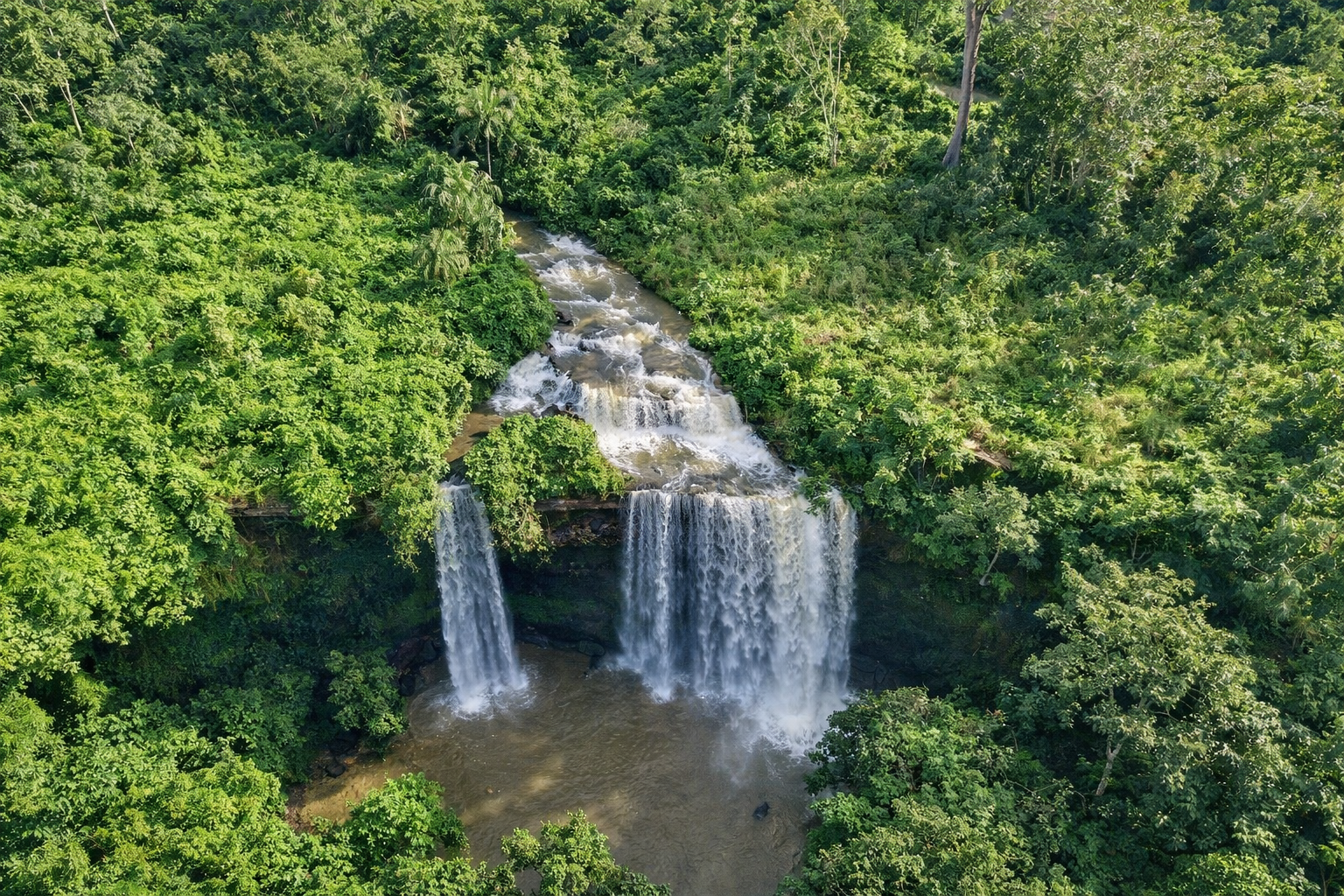
The Volta Region has also become a hub for eco-tourism, known for its scenic mountains, waterfalls, and hiking trails. Destinations like Wli Waterfalls and surrounding eco-lodges promote responsible tourism practices, encouraging visitors to explore nature with minimal environmental impact. These experiences often involve local guides, ensuring that tourism revenue stays within the community.
Eco-tourism in Ghana extends beyond nature alone. Many eco-friendly experiences are closely tied to culture, heritage, and traditional ways of life. Visitors can participate in community-led tours, learn about sustainable farming practices, explore craft villages, and engage with local conservation initiatives that protect both culture and the environment.
As sustainability becomes a key factor in travel decisions, Ghana’s approach to eco-tourism aligns with global trends. The country offers authentic experiences without over-commercialization, making it especially appealing to travelers seeking meaningful connections with nature and local communities.
With growing international awareness and improved access to eco-friendly travel services, Ghana is well-positioned to welcome travelers who want to explore Africa responsibly. For those looking to experience wildlife, landscapes, and culture while making a positive impact, Ghana presents a compelling eco-tourism destination worth discovering.
